Mobile Phone – A Convenience or a Threat?
Today, the mobile phone has become an integral part of everyday life. Using messaging applications, social media platforms, and mobile apps is now part of our daily routine. Smartphones make communication easier, provide instant access to information, and help us organize our personal and professional lives. It may therefore seem that they make us happier. But is that really the case?
An increasing number of scientific studies suggest that social media use activates the same brain circuits responsible for reward and motivation. Every notification, message, or "like" stimulates the mesolimbic dopamine system, which includes the ventral tegmental area (VTA), the nucleus accumbens, and the prefrontal cortex. As a result, users experience a brief feeling of satisfaction and become more motivated to check their phones again.
At the same time, brain networks responsible for attention and alertness are activated. These networks are closely linked to the noradrenergic system, particularly the locus coeruleus and the prefrontal cortex. This increases sensitivity to incoming stimuli, leading users to check their phones more frequently in anticipation of new messages or social feedback. Over time, conscious control over smartphone use may gradually weaken.
From a neurobiological perspective, this mechanism resembles the processes observed in substance addiction. Of course, the intensity is vastly different. Smartphones do not act like cocaine or amphetamine, nor do they produce the same dramatic increase in dopamine activity. However, both rely on the same reward pathways and reinforcement-learning mechanisms that encourage repetitive behaviour.
Children and adolescents are particularly vulnerable to these effects. Their prefrontal cortex—the brain region responsible for planning, impulse control, and decision-making—continues to develop well into early adulthood. Consequently, young people often find it more difficult to regulate the amount of time they spend using smartphones and social media.
It is therefore not surprising that the Czech Republic has introduced restrictions on the use of mobile phones during school lessons. The aim of these measures is not to oppose modern technology, but to create an environment that supports concentration, learning, and healthy psychological development.
A mobile phone is not the enemy. It is a powerful tool that can significantly improve everyday life. However, as with any technology, the key issue is not the device itself but how and how long it is used. Responsible and mindful smartphone use allows us to enjoy its many benefits while minimizing its potential impact on brain function and mental health.
Kłamstwo w psychiatrii – wyzwanie dla psychiatry i biegłego
W praktyce psychiatrycznej spotykamy się czasem z celową próbą wprowadzenia lekarza w błąd. Motywacje bywają różne: próba wpłynięcia na opinię sądowo-psychiatryczną, uzyskanie określonego zaświadczenia, zdobycie leków czy osiągnięcie innych korzyści.
Szczególnie interesującym problemem jest sytuacja, w której pacjent przez dłuższy czas buduje dokumentację medyczną z myślą o możliwym wykorzystaniu jej w przyszłości – na przykład jako argumentu mającego podważyć lub ograniczyć jego odpowiedzialność za określone zachowanie.
Dlatego w psychiatrii sądowej sama obecność rozpoznania czy wcześniejszej dokumentacji nie może zastępować krytycznej analizy całego materiału.
Kilka praktycznych zasad, którymi warto się kierować:
-
Zawsze analizuj kontekst i szukaj niespójności.
Nie oceniaj pojedynczego objawu w oderwaniu od przebiegu choroby, zachowania badanego, chronologii zdarzeń i pozostałych informacji. -
Nie opieraj oceny wyłącznie na relacji rodziny lub znajomych.
Informacje od osób trzecich są cenne, ale również wymagają weryfikacji. Osoba, która poznała obraz kliniczny danego zaburzenia, może przedstawiać wyuczone objawy jako własne obserwacje dotyczące pacjenta. -
Sprawdzaj historię realizacji recept.
Jeżeli jest dostępna, może pokazać istotną różnicę pomiędzy tym, co było przepisywane, a tym, jakie leki pacjent rzeczywiście wykupywał. To nie rozstrzyga sprawy, ale bywa ważnym elementem szerszej analizy. -
Stosuj własny, ustrukturyzowany system weryfikacji wiarygodności relacji.
Warto posiadać zestaw pytań kontrolnych pozwalających oceniać wewnętrzną spójność opisywanego obrazu klinicznego. Szczegółowych metod celowo nie opisuję – ich publiczne ujawnianie zmniejszałoby ich wartość diagnostyczną.
Mam takie opracowanie przygotowane na własny użytek w pracy psychiatrycznej i sądowo-psychiatrycznej. Z oczywistych względów nie zamierzam go publikować.
Nagłówek 2
Pregabalina w psychiatrycznej praktyce więziennej
W praktyce psychiatry więziennego często spotykamy się z pacjentami, u których leczenie pregabaliną zostało rozpoczęte jeszcze przed osadzeniem w zakładzie karnym. Zdarza się również, że pregabalina jest włączana już podczas odbywania kary pozbawienia wolności.
W Republice Czeskiej refundacja pregabaliny w leczeniu zespołu lęku uogólnionego (GAD) wymaga spełnienia kryteriów pojišťoven, w tym dwukrotnej oceny nasilenia objawów za pomocą skali HAM‑A – przed rozpoczęciem leczenia oraz po odpowiednim okresie terapii. Pozwala to obiektywnie ocenić skuteczność leczenia.
W populacji więziennej zaburzenia lękowe wymagające leczenia pregabaliną występują znacznie rzadziej niż zaburzenia osobowości, uzależnienia czy zachowania związane z poszukiwaniem substancji psychoaktywnych. Lekarz więzienny niejednokrotnie spotyka się z presją dotyczącą kontynuacji lub zwiększenia dawki pregabaliny. Decyzje terapeutyczne powinny jednak zawsze wynikać z rozpoznania i wskazań medycznych.
W dawkach terapeutycznych pregabalina działa przeciwlękowo. W wyższych dawkach może wywoływać efekt euforyzujący i odurzający, szczególnie w połączeniu z innymi substancjami psychoaktywnymi. W Wielkiej Brytanii została objęta przepisami Schedule 3 Controlled Drugs. Jednoczesne stosowanie pregabaliny z opioidami wiąże się ze zwiększonym ryzykiem depresji oddechowej i zgonu.
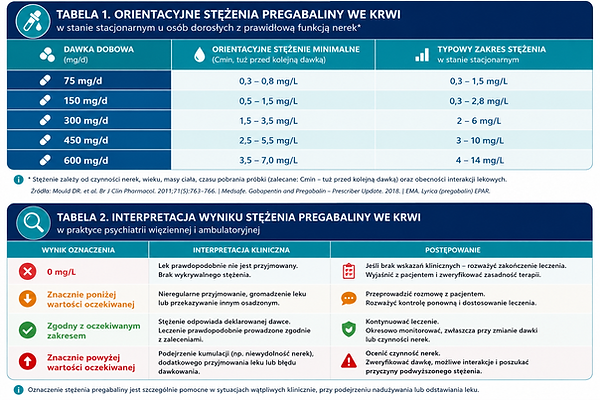
W praktyce więziennej bardzo przydatnym narzędziem jest oznaczenie stężenia pregabaliny we krwi. Pozwala ono zweryfikować rzeczywiste przyjmowanie leku. Jeżeli pacjent deklaruje stosowanie 600 mg/dobę, a uzyskane stężenie odpowiada około 75 mg/dobę lub jest niewykrywalne, wynik może stanowić podstawę do modyfikacji lub zakończenia leczenia, o ile nie istnieją wskazania kliniczne do jego kontynuacji.
T
Systemy ochrony zdrowia w Polsce, Czechach, Wielkiej Brytanii i Norwegii
Refleksje lekarza pracującego w czterech systemach ochrony zdrowia
Obecnie w Polsce trwa dyskusja na temat funkcjonowania ochrony zdrowia, wynagrodzeń lekarzy oraz możliwości poprawy jakości opieki nad pacjentami.
Z punktu widzenia lekarza dobry system ochrony zdrowia powinien zapewniać przede wszystkim spokój podczas wykonywania pracy, minimum biurokracji, łatwy dostęp do niezbędnej diagnostyki i konsultacji specjalistycznych oraz wynagrodzenie pozwalające skupić się na leczeniu pacjentów, a nie na poszukiwaniu dodatkowych źródeł dochodu. Równie ważny jest przejrzysty system motywujący do ciągłego rozwoju zawodowego.
Aby lekarz mógł się rozwijać, potrzebuje nie tylko obowiązku kształcenia, ale również czasu i środków na jego realizację.
Jak wygląda to w poszczególnych krajach? Poniżej przedstawiam krótkie porównanie oparte na własnych doświadczeniach zawodowych.
Polska
System ochrony zdrowia finansowany jest przede wszystkim przez Narodowy Fundusz Zdrowia, a część świadczeń realizowana jest również w sektorze prywatnym.
Dostęp do świadczeń publicznych zależy najczęściej od długości kolejki oczekujących.
Wynagrodzenie lekarza zależy od rodzaju umowy oraz kontraktu zawartego z placówką.
Biurokracja często wykracza poza prowadzenie dokumentacji medycznej i obejmuje liczne obowiązki administracyjne, które ograniczają czas przeznaczony dla pacjenta.
Lekarze mają obowiązek zdobycia 200 punktów edukacyjnych w ciągu 4 lat, co ma motywować do ustawicznego doskonalenia zawodowego.
Czechy
System finansowany jest przez ubezpieczalnie zdrowotne, z którymi umowy zawierają zarówno placówki publiczne, jak i prywatne. Funkcjonuje kilkanaście ubezpieczalni, co zwiększa konkurencję pomiędzy płatnikami.
Pacjent zapisywany jest tam, gdzie dostępny jest najbliższy wolny termin, dzięki czemu czas oczekiwania na wizytę jest zazwyczaj krótszy niż w wielu innych systemach.
Wynagrodzenie lekarza wynika z umowy zawartej z placówką.
Biurokracja jest stosunkowo niewielka i sprowadza się głównie do prowadzenia dokumentacji medycznej oraz kodowania wykonanych świadczeń.
Lekarz zdobywa 150 punktów edukacyjnych w ciągu 5 lat, co pozwala uzyskać Dyplom ustawicznego kształcenia zawodowego, ważny przez kolejne 5 lat. Posiadanie tego dyplomu umożliwia placówce zawieranie korzystniejszych kontraktów z ubezpieczalniami.
Wynagrodzenia są na tyle satysfakcjonujące, że lekarze zazwyczaj nie muszą podejmować dodatkowego zatrudnienia.
Norwegia
Miałem możliwość pracować w Norwegii stosunkowo krótko, dlatego moje obserwacje mają charakter bardziej osobistych doświadczeń niż pełnej analizy systemu.
System finansowany jest głównie ze środków publicznych. Za organizację ochrony zdrowia odpowiada państwo oraz samorządy. Lekarze rodzinni pracują najczęściej w systemie fastlege, natomiast opieka specjalistyczna świadczona jest głównie w publicznych szpitalach.
Dostępność podstawowej opieki zdrowotnej jest dobra, choć czas oczekiwania do części specjalistów może być dłuższy.
Biurokracja wydaje się stosunkowo niewielka, dzięki czemu lekarz może skoncentrować się przede wszystkim na pracy z pacjentem.
Nie funkcjonuje jednolity system punktowy obejmujący wszystkich lekarzy, natomiast ustawiczne doskonalenie zawodowe pozostaje ważnym elementem wykonywania zawodu.
Wynagrodzenia lekarzy należą do najwyższych w Europie i zazwyczaj nie ma potrzeby podejmowania dodatkowego zatrudnienia.
Wielka Brytania
System finansowany jest ze środków publicznych w ramach National Health Service (NHS), równolegle z dobrze rozwiniętym sektorem prywatnym.
Lekarze zatrudniani są najczęściej na podstawie umowy o pracę lub współpracują z NHS jako kontraktorzy.
Jednym z najważniejszych elementów systemu jest Annual Appraisal, czyli coroczna ocena pracy lekarza. Obejmuje ona analizę ustawicznego kształcenia zawodowego (CPD), omówienie najważniejszych zdarzeń z praktyki klinicznej, analizę własnej aktywności zawodowej, refleksję nad wykonywaną pracą oraz plan dalszego rozwoju. Analizowane są również zarówno skargi, jak i pochwały otrzymane od pacjentów oraz współpracowników.
Raz na pięć lat lekarz przechodzi Revalidation. Jest to podsumowanie pięciu kolejnych appraisalów. W ramach tego procesu lekarz przedstawia również wyniki anonimowych ankiet obejmujących około 20 członków personelu współpracującego (Multi-Source Feedback) oraz około 40 pacjentów (Patient Feedback). Ocenie podlegają nie tylko wiedza medyczna, ale również komunikacja, profesjonalizm, współpraca z zespołem oraz relacje z pacjentami.
Na podstawie całej zgromadzonej dokumentacji Responsible Officer rekomenduje General Medical Council przedłużenie prawa wykonywania zawodu na kolejne pięć lat.
Wynagrodzenia zarówno w sektorze publicznym, jak i prywatnym są na tyle wysokie, że większość lekarzy nie jest zmuszona do podejmowania dodatkowego zatrudnienia.
Podsumowanie
Nie istnieje jeden idealny system ochrony zdrowia.
Każdy z opisanych modeli ma swoje mocne i słabe strony. O jakości systemu decyduje przede wszystkim sposób finansowania, racjonalne wykorzystanie dostępnych środków oraz dobra organizacja pracy.
Moim zdaniem dobrze funkcjonujący system powinien zapewniać lekarzowi możliwość ciągłego rozwoju zawodowego, ograniczać biurokrację do niezbędnego minimum oraz pozostawiać jak najwięcej czasu na to, co w medycynie jest najważniejsze – kontakt z pacjentem.
Przedstawione refleksje wynikają z mojej pracy w czterech różnych systemach ochrony zdrowia. Nie są próbą wskazania jednego najlepszego rozwiązania, lecz zachętą do wykorzystania sprawdzonych doświadczeń innych krajów. Nie zawsze warto tworzyć nowe rozwiązania od podstaw – czasami wystarczy zaadaptować te, które od lat skutecznie funkcjonują gdzie indziej.
O autorze
dr Jarosław Uziałło jest psychiatrą z ponad 30-letnim doświadczeniem zawodowym. Pracował w systemach ochrony zdrowia Polski, Czech, Wielkiej Brytanii i Norwegii. Jest byłym dyrektorem szpitala wojewódzkiego, biegłym sądowym oraz założycielem Instytutu MEDANA. Zajmuje się psychiatrią kliniczną, opiniowaniem sądowo-psychiatrycznym oraz badaniami klinicznymi nowych terapii.
Przyszlosc nowoczesnej psychiatrii

Oczekiwania i przyszłość leczenia psychiatrycznego
Aby w sposób rzetelny omówić oczekiwania związane z leczeniem psychiatrycznym, należy najpierw krótko przedstawić aktualne możliwości terapeutyczne. Dla przejrzystości skupimy się na trzech najważniejszych grupach zaburzeń psychicznych: depresji, schizofrenii oraz chorobie Alzheimera.
Depresja
Leczenie depresji ma najczęściej charakter przewlekły i długoterminowy, często trwający wiele lat oraz wiążący się z występowaniem działań niepożądanych.
Do najczęściej stosowanych leków należą:
-
SSRI (selektywne inhibitory wychwytu zwrotnego serotoniny),
-
SNRI (inhibitory wychwytu zwrotnego serotoniny i noradrenaliny),
-
trójpierścieniowe i czteropierścieniowe leki przeciwdepresyjne.
W praktyce klinicznej wielu pacjentów pozostaje w leczeniu przez kilka, a niekiedy nawet kilkanaście lat.
Schizofrenia
W leczeniu schizofrenii tradycyjnie stosuje się:
-
leki przeciwpsychotyczne pierwszej generacji, obciążone znaczną liczbą działań niepożądanych,
-
leki przeciwpsychotyczne drugiej generacji, zwykle lepiej tolerowane,
-
leki przeciwpsychotyczne trzeciej generacji, które u części pacjentów pozwalają osiągnąć remisję funkcjonalną przy minimalnych działaniach ubocznych.
W rzeczywistości schizofrenia pozostaje chorobą wymagającą najczęściej leczenia przez całe życie.
Otępienia i choroba Alzheimera
Kolejną ważną grupę zaburzeń stanowią otępienia, z których najczęściej występuje choroba Alzheimera.
W przypadku otępień spowodowanych czynnikami odwracalnymi, takimi jak:
-
niedobór witaminy B12,
-
niektóre zaburzenia metaboliczne,
zaburzenia funkcji poznawczych mogą częściowo lub całkowicie ustąpić po usunięciu przyczyny.
W wybranych schorzeniach neurodegeneracyjnych związanych z nieprawidłowymi białkami prionowymi wykazano również możliwość wpływu terapii przeciwciałami na proces chorobowy.
A jak wygląda sytuacja w chorobie Alzheimera?
Obecnie leczenie opiera się głównie na dwóch grupach leków:
-
inhibitorach acetylocholinesterazy,
-
memantynie – niekompetycyjnym antagoniście receptorów NMDA.
Ograniczeniem tych terapii jest fakt, że po roku lub dwóch latach ich skuteczność często maleje, podczas gdy sama choroba nadal postępuje.
Przyszłość psychofarmakologii
Jakie są zatem perspektywy leczenia psychiatrycznego w najbliższych latach?
Wyobraźmy sobie pacjenta cierpiącego na ciężką, wieloletnią depresję oporną na leczenie, który nie reaguje na większość dostępnych leków.
Obecnie testowane są nowe substancje badawcze, które w wielu przypadkach potrafią doprowadzić do ustąpienia objawów depresji już w ciągu dwóch godzin. Pacjenci zgłaszają:
-
szybką poprawę nastroju,
-
ustąpienie myśli samobójczych,
-
wzrost energii,
-
poprawę koncentracji.
Czy takie leki już istnieją?
Tak. Pierwszym dostępnym przedstawicielem tej grupy jest esketamina, która szybko poprawia nastrój i zmniejsza nasilenie myśli samobójczych. Jej ograniczeniem pozostaje jednak konieczność wielokrotnego podawania.
Obecnie prowadzone badania koncentrują się na substancjach zdolnych do wywołania długotrwałej przebudowy połączeń synaptycznych, dzięki czemu wielokrotne podawanie leków mogłoby okazać się zbędne, a pacjent powróciłby do prawidłowego funkcjonowania.
Niewykluczone, że w przyszłości leczenie przewlekłej depresji będzie trwało krócej niż leczenie zwykłego przeziębienia.
Schizofrenia – nowe kierunki terapii
Przez wiele lat leczenie schizofrenii opierało się głównie na wpływie na receptory postsynaptyczne, przede wszystkim poprzez blokowanie receptorów dopaminowych i serotoninowych. Takie podejście często wiązało się z występowaniem działań niepożądanych, które ograniczały współpracę pacjentów z lekarzem.
Nowsze leki, w tym częściowi agoniści receptorów dopaminowych, pozwalają zmniejszyć ryzyko wielu objawów ubocznych.
A co, jeśli możliwe byłoby precyzyjne regulowanie ilości dopaminy uwalnianej do synapsy – dokładnie w takim zakresie, jaki jest potrzebny?
Nowe substancje badawcze oddziałują między innymi na:
-
układy presynaptyczne,
-
receptory zewnątrzkomórkowe,
-
receptory wewnątrzkomórkowe.
Ich działanie polega nie tyle na blokowaniu receptorów, ile na regulacji dostępności dopaminy w szczelinie synaptycznej.
W badaniach obserwuje się:
-
ustępowanie omamów i urojeń,
-
poprawę funkcjonowania społecznego,
-
większą otwartość emocjonalną,
-
lepszą integrację z otoczeniem.
Prawdopodobnie nadal będzie to leczenie długoterminowe, jednak przy minimalnych działaniach niepożądanych i możliwości osiągnięcia pełnej remisji funkcjonalnej.
Choroba Alzheimera – pojawiająca się nadzieja
Choroba Alzheimera wiąże się z odkładaniem patologicznych złogów amyloidu w mózgu.
Pierwsze próby modyfikacji genów odpowiedzialnych za produkcję białek amyloidowych zostały zarzucone z powodu licznych działań niepożądanych.
Obecne badania koncentrują się na substancjach, które:
-
zapobiegają agregacji amyloidu do postaci blaszek,
-
wspomagają usuwanie pojedynczych cząsteczek amyloidu przez astrocyty,
-
poprawiają pamięć poprzez aktywację receptorów muskarynowych.
Wstępne wyniki kilku badanych terapii są bardzo obiecujące.
Szersza perspektywa
Wyniki prowadzonych obecnie badań klinicznych dają nadzieję, że przyszłe leczenie psychiatryczne będzie:
-
znacznie skuteczniejsze,
-
szybsze,
-
mniej obciążające dla pacjentów.
Psychofarmakologia zmierza nie tylko w kierunku remisji objawów, ale coraz częściej w stronę pełnego powrotu do zdrowia, co obserwujemy już dziś u wybranych pacjentów uczestniczących w badaniach klinicznych.
Jednocześnie rosnące nasilenie:
-
przewlekłego stresu,
-
agresji i wrogości społecznej,
-
nieprawidłowego odżywiania,
-
zanieczyszczenia środowiska,
-
przeciążenia cyfrowego i informacyjnego,
może prowadzić do dalszego wzrostu liczby zaburzeń psychicznych.
Na szczęście choroby psychiczne stopniowo przestają być społecznym tabu. Coraz częściej traktowane są tak samo jak inne schorzenia medyczne – jako choroby, które można i należy leczyć.
Najważniejszym wyzwaniem pozostaje dziś zapewnienie skutecznego leczenia bez stygmatyzacji osób cierpiących na zaburzenia psychiczne.
Koncepcje leczenia schizofrenii
Każdy słyszał o schizofrenii. Wokół tego zaburzenia przez wieki narosło wiele mitów i nieporozumień. Już od czasów starożytnych osoby cierpiące na zaburzenia psychotyczne traktowano albo jako szaleńców wykluczanych ze społeczeństwa, albo jako świętych – również wyłączanych z normalnego życia, choć z zupełnie innych powodów.
Próby leczenia schizofrenii sięgają średniowiecza. Stosowano wówczas rozmaite metody mające przywrócić człowieka do „normalności”. Szczególną popularnością cieszyły się kary fizyczne i tortury – im bardziej wymyślne, tym lepiej.
Jeszcze stosunkowo niedawno powszechnie wykorzystywano leczenie poprzez pracę przymusową. Nawet pod koniec XX wieku zamykano ostatnie szpitalne gospodarstwa rolne przeznaczone dla pacjentów psychiatrycznych.
Ewolucja poglądów na schizofrenię
Wraz z rozwojem nauki pojawiały się kolejne koncepcje wyjaśniające przyczyny schizofrenii.
Począwszy od teorii „schizofrenogennej matki”, niesłusznie obwiniającej matki za chorobę dzieci, poprzez interpretacje psychoanalityczne, aż po teorie środowiskowe, stresowe, wirusowe, genetyczne i immunologiczne.
Istnieją dziesiątki modeli próbujących wyjaśnić naturę schizofrenii.
Na szczęście z czasem stało się jasne, że schizofrenia jest chorobą, którą można leczyć metodami innymi niż wypalanie piętnem czy egzorcyzmy.
Czym właściwie jest schizofrenia?
Trudność w zdefiniowaniu schizofrenii trafnie opisał profesor Henry A. Nasrallah, porównując badaczy do osób opisujących słonia z zasłoniętymi oczami.
Jeden dotyka ogona i twierdzi, że słoń jest liną.
Drugi bada trąbę i uważa, że przypomina rurę.
Trzeci dotyka boku zwierzęcia i jest przekonany, że ma przed sobą ścianę.
Podobnie jest ze schizofrenią. Jest to złożone zjawisko, które wygląda inaczej w zależności od perspektywy obserwatora.
Obecnie schizofrenia uznawana jest za zaburzenie neurorozwojowe, którego objawy ujawniają się stopniowo wraz z upływem czasu.
Nieleczona może prowadzić do wczesnego otępienia, co trafnie opisał Emil Kraepelin, wprowadzając pojęcie dementia praecox – otępienia wczesnego.
Postęp w rozumieniu choroby
Współczesna psychiatria coraz lepiej rozumie schizofrenię jako zaburzenie biologiczne i neurofunkcjonalne.
Potrafimy identyfikować:
-
zmiany strukturalne i czynnościowe mózgu,
-
zaburzenia funkcjonowania neuronów,
-
nieprawidłowości receptorów i układów neuroprzekaźnikowych.
Wiemy dziś, że neurony osób chorujących na schizofrenię funkcjonują inaczej:
-
produkują zmienione ilości neuroprzekaźników,
-
wykazują zaburzoną aktywność receptorową.
Tradycyjne podejścia terapeutyczne
Przez wiele lat leczenie schizofrenii koncentrowało się głównie na:
-
blokowaniu receptorów postsynaptycznych,
-
modulacji mechanizmów presynaptycznych.
Neuron nie jest jednak biernym odbiorcą sygnałów.
Gdy receptory postsynaptyczne są blokowane, komórka nerwowa próbuje się adaptować poprzez wytwarzanie dodatkowych receptorów. Mechanizm ten prowadzi do występowania działań niepożądanych, takich jak:
-
akatyzja,
-
drżenia,
-
hiperprolaktynemia.
W efekcie wielu pacjentów źle tolerowało leczenie klasycznymi neuroleptykami pierwszej generacji.
Leki takie jak chlorpromazyna, flufenazyna czy promazyna były skuteczne, ale często powodowały liczne objawy uboczne.
Wyjątek stanowiła klozapina, która wykazywała wyjątkową zdolność do wywoływania remisji choroby. Przez wiele lat tłumaczono to jej szerokim profilem receptorowym.
Obecnie wiadomo, że istotną rolę odgrywa również jej wpływ na wewnątrzkomórkowe receptory TAAR1, które umożliwiają regulację uwalniania neuroprzekaźników.
Leki drugiej i trzeciej generacji
Pojawienie się leków drugiej generacji, takich jak risperidon czy olanzapina, przyniosło poprawę tolerancji leczenia i zmniejszenie liczby działań niepożądanych.
Kolejnym krokiem były leki trzeciej generacji, między innymi:
-
arypiprazol,
-
brekspiprazol,
-
kariprazyna.
Są to częściowi agoniści receptorów dopaminowych, działający w sposób zasadniczo odmienny od wcześniejszych leków przeciwpsychotycznych.
Nowe kierunki terapii
Obecnie badania koncentrują się na zupełnie nowych grupach substancji działających między innymi na:
-
receptory peptydowe,
-
receptory związane ze śladowymi aminami (TAAR 1–3).
Leki te wpływają bezpośrednio na funkcjonowanie neuronu presynaptycznego i wielu układów neuroprzekaźnikowych jednocześnie.
Ich działanie może być:
-
bezpośrednie,
-
pośrednie – poprzez aktywację innych układów neuroprzekaźnikowych regulujących funkcjonowanie neuronów odpowiedzialnych za objawy schizofrenii.
Obiecujące wyniki obserwuje się również w przypadku substancji oddziałujących na receptory muskarynowe M1 i M4.
Efekty nowych terapii
Dotychczasowe obserwacje wskazują, że nowoczesne leki badawcze mogą prowadzić do:
-
ustępowania omamów i urojeń,
-
znaczącej poprawy objawów negatywnych.
Pacjenci wykazują:
-
mniejszą apatię,
-
większą aktywność społeczną,
-
powrót zainteresowań i hobby,
-
poprawę funkcji poznawczych,
-
lepszą pamięć i koncentrację,
-
zmniejszenie objawów przypominających otępienie.
Ponownie angażują się w życie społeczne, odzyskują kontakt z rzeczywistością i zaczynają funkcjonować na poziomie zbliżonym do osób zdrowych.
Perspektywy na przyszłość
Jeżeli nowe terapie potwierdzą swoją skuteczność i bezpieczeństwo, leczenie zaburzeń psychotycznych może w najbliższych latach ulec fundamentalnej zmianie.
Współczesna psychofarmakologia coraz częściej zmierza nie tylko w kierunku remisji objawów, ale również w stronę trwałego powrotu do zdrowia.
Być może w przyszłości pełne wyleczenie schizofrenii przestanie być marzeniem, a stanie się realnym celem terapii.


ADHD – czy jest naprawde choroba
ADHD – zaburzenie czy szczególny sposób funkcjonowania?
W ostatnich latach o ADHD mówi się coraz częściej. Mimo to nadal nie ma jednoznacznej odpowiedzi na pytanie, czym właściwie jest to zjawisko.
Osoby z rozpoznaniem ADHD najczęściej charakteryzują się:
-
zwiększoną aktywnością,
-
trudnościami z utrzymaniem uwagi,
-
szybkim odczuwaniem znudzenia,
-
silną potrzebą zmian i nowych bodźców.
Problem wydaje się nie polegać na samym występowaniu tych cech, lecz na ich nasileniu oraz wpływie na codzienne funkcjonowanie.
Szacuje się, że cechy odpowiadające ADHD może prezentować od około 2,5% do nawet 20% populacji.
Spojrzenie ewolucyjne
Dziedziczenie cech związanych z ADHD wiąże się między innymi z określonymi wariantami genów receptorów dopaminowych, zwłaszcza genu DRD4-7R. Rodzi to ciekawe pytanie:
Dlaczego cechy te przetrwały tysiące lat ewolucji, zamiast zostać wyeliminowane?
Wyobraźmy sobie ludzkie plemię walczące o przetrwanie na sawannie. Osoby posiadające wariant DRD4-7R reagowały na bodźce szybciej niż pozostali członkowie grupy, co mogło umożliwiać:
-
szybsze upolowanie zwierzyny,
-
skuteczniejsze unikanie zagrożeń,
-
lepszą orientację w dynamicznie zmieniającym się otoczeniu.
Wystarczyło kilku takich ludzi w plemieniu, aby zwiększyć szanse przetrwania całej grupy.
Łowcy potrzebowali szybkości, energii, niestandardowego myślenia i błyskawicznego podejmowania decyzji. Cechy, które dziś kojarzymy z ADHD, mogły być wówczas wyjątkowo pożądane.
To właśnie one mogły również sprzyjać migracjom ludzi i odkrywaniu nowych obszarów świata. Wiele osób uznawanych za odkrywców, wynalazców czy naukowców wykazywało cechy przypominające współczesne ADHD.
Deficyt uwagi czy odmienny sposób skupienia?
Czy nie stoi to w sprzeczności z pojęciem „deficytu uwagi”?
Niekoniecznie.
Nie można powiedzieć, że osoby z ADHD nie potrafią się koncentrować. W rzeczywistości wiele z nich doświadcza zjawiska określanego jako hiperfokus. Jeśli coś wzbudzi ich zainteresowanie, potrafią poświęcić temu wiele godzin nieprzerwanej uwagi, często nie odczuwając zmęczenia.
Osoby takie często generują dużą liczbę oryginalnych i kreatywnych pomysłów. Problem nie polega na braku kreatywności, lecz na wyborze najlepszego rozwiązania spośród wielu równie interesujących możliwości.
W tym obszarze wsparcie i odpowiednie ukierunkowanie bywają niezwykle pomocne.
Charakterystyczne zachowania
W środowisku szkolnym dzieci z ADHD mogą sprawiać wrażenie nieuważnych lub sprawiających trudności wychowawcze z powodu:
-
nadmiernej ruchliwości,
-
impulsywności,
-
niestandardowego sposobu rozwiązywania problemów.
Zachowania te bywają błędnie interpretowane jako brak dyscypliny lub niechęć do współpracy.
W życiu dorosłym osoby z ADHD często źle tolerują monotonne i powtarzalne zadania. Największe zaangażowanie osiągają zwykle wtedy, gdy wykonują czynności, które naprawdę je interesują.
Niestety szybkie przenoszenie uwagi pomiędzy różnymi bodźcami nie sprzyja utrwalaniu rutynowych informacji.
Neurobiologia ADHD
Na poziomie biologicznym sposób funkcjonowania osób z ADHD jest ściśle związany z układem nagrody, a szczególnie z dopaminą.
Wariant receptora dopaminowego DRD4-7R wymaga silniejszej i częstszej stymulacji, co powoduje, że osoby z ADHD:
-
potrzebują większej liczby bodźców,
-
aktywnie poszukują nowości,
-
szybko nudzą się czynnościami o niskim poziomie stymulacji.
Nietrudno zrozumieć, dlaczego część takich osób może być bardziej podatna na eksperymentowanie z substancjami psychoaktywnymi, które gwałtownie zwiększają poziom dopaminy i tymczasowo zmniejszają nasilenie objawów.
Paradoksalnie, po zastosowaniu leków psychostymulujących osoby z ADHD często stają się spokojniejsze i bardziej skoncentrowane.
Podobny efekt można zaobserwować podczas aktywności zapewniających szybkie nagradzanie, takich jak gry komputerowe czy hazard.
Jeżeli osoba z ADHD odnajdzie swoją prawdziwą pasję, może osiągać bardzo wysoki poziom kompetencji, mistrzostwa, a niekiedy nawet wybitne sukcesy.
ADHD we współczesnym świecie
Jednym z najważniejszych wyzwań pozostaje stworzenie odpowiednich warunków edukacyjnych dla dzieci z ADHD oraz dostosowanie metod nauczania do ich sposobu funkcjonowania.
Cechy związane z ADHD pierwotnie sprzyjały aktywności wymagającej dużego wysiłku fizycznego. Badania i obserwacje kliniczne wskazują, że aktywność fizyczna wykonywana rano może znacząco poprawiać koncentrację oraz zmniejszać nadmierne pobudzenie podczas zajęć szkolnych czy wykładów.
Diagnoza, spektrum i leczenie
Obecnie dostępnych jest wiele metod diagnozowania ADHD. Coraz częściej traktuje się je nie jako stan typu „jest lub nie ma”, lecz jako spektrum cech występujących z różnym nasileniem.
W końcu każdy człowiek od czasu do czasu doświadcza:
-
niepokoju ruchowego,
-
impulsywności,
-
rozproszenia uwagi,
-
reaktywności emocjonalnej.
Kluczowe znaczenie ma stopień nasilenia tych cech oraz ich wpływ na codzienne funkcjonowanie.
Objawy ADHD można stabilizować poprzez:
-
odpowiednie strategie edukacyjne,
-
oddziaływania psychologiczne,
-
dostosowanie środowiska,
-
leczenie farmakologiczne.
Powstaje jednak interesujące pytanie.
Czy redukcja objawów nie odbywa się czasem kosztem kreatywności, przedsiębiorczości, szybkości podejmowania decyzji czy zdolności do hiperfokusu?
A może zamiast wyłącznie tłumić objawy, powinniśmy pomagać ludziom rozwijać i właściwie wykorzystywać cechy, które nie zawsze muszą być jedynie zaburzeniem?
Podsumowanie
Wracamy więc do podstawowego pytania:
Czy ADHD jest zaburzeniem?
Czy może stanowi zespół cech, które odpowiednio ukierunkowane mogą prowadzić do innowacyjności, kreatywności i nowych odkryć?
Odpowiedź prawdopodobnie nie jest jednoznaczna. Jak często bywa w psychiatrii, prawda znajduje się gdzieś pomiędzy skrajnościami.
Narkotyki - niemyte dusze ?
Od pokoleń ludzie sięgają po narkotyki. Niewiele osób zadaje sobie jednak podstawowe pytanie: dlaczego?
Dlaczego człowiek używa substancji psychoaktywnych, które zmieniają świadomość, wywołują euforię i mogą prowadzić do uzależnienia?
Co więcej – dlaczego robi to, wiedząc, że może narazić się na odpowiedzialność karną, utratę wolności lub inne poważne konsekwencje?
Mimo tych zagrożeń wiele osób nadal sięga po narkotyki. Czy jest to wyłącznie kwestia ciekawości?
Bliższe przyjrzenie się osobom używającym substancji psychoaktywnych lub nadużywającym alkoholu często ujawnia obecność cierpienia psychicznego, trudności emocjonalnych lub określonych cech osobowości.
Każdy człowiek dąży do dobrego samopoczucia, równowagi psychicznej oraz sprawnego funkcjonowania zarówno w życiu społecznym, jak i zawodowym.
Dla wielu osób pierwszy kontakt z narkotykiem, często pod wpływem otoczenia lub znajomych, przynosi szybki i pozornie „leczniczy” efekt:
-
wzrost pewności siebie,
-
poprawę nastroju,
-
zmniejszenie lęku,
-
przypływ energii.
Problem polega na tym, że działanie większości substancji jest krótkotrwałe. Aby utrzymać pożądany stan, potrzebna jest kolejna dawka.
A potem następna.
Od narkotyku do leku
Współczesna psychiatria eksperymentalna stawia sobie zupełnie inny cel – zachować korzystne działanie substancji, jednocześnie eliminując ich potencjał uzależniający.
Dobrym przykładem są dwie grupy związków.
1. Pochodne dimetylotryptaminy i fenyloetyloaminy
To właśnie z tej grupy wywodzą się substancje takie jak amfetamina czy metamfetamina.
Dzięki precyzyjnym modyfikacjom chemicznym udało się stworzyć związki, które w kontrolowanych warunkach klinicznych potrafią zmniejszać objawy depresji w ciągu kilkudziesięciu minut.
Badania koncentrują się przede wszystkim na ciężkiej, wieloletniej depresji opornej na leczenie.
U części pacjentów obserwuje się:
-
szybki powrót energii,
-
zmniejszenie lęku,
-
poprawę nastroju,
-
ustąpienie myśli samobójczych.
Przykładem dostępnego obecnie leku z tej grupy jest esketamina (Spravato).
2. Psychodeliki
Podanie substancji takich jak psylocybina czy LSD często prowadzi do szybkiego zmniejszenia lęku, napięcia i poczucia zagrożenia, a także do istotnej poprawy nastroju.
Jednocześnie związki te silnie oddziałują na układy dopaminergiczne i serotoninergiczne, co może prowadzić do występowania omamów lub urojeń.
Dlatego tak ważne są dalsze badania mające na celu:
-
określenie optymalnego dawkowania,
-
zwiększenie bezpieczeństwa terapii,
-
opracowanie nowych cząsteczek o mniejszym potencjale uzależniającym,
-
ograniczenie ryzyka objawów psychotycznych.
Naprawa zamiast ucieczki
Substancje psychoaktywne wywierają swoje działanie poprzez intensywną aktywację receptorów, szczególnie w obrębie układów serotoninergicznych i dopaminergicznych.
W pewnym sensie czasowo przywracają sprawność układom, które funkcjonują nieprawidłowo.
Długoterminowy cel współczesnej psychofarmakologii jest jednak znacznie ambitniejszy.
Nie chodzi o chwilową poprawę.
Chodzi o trwałą naprawę funkcjonowania receptorów i połączeń neuronalnych, tak aby po pojedynczej lub krótkotrwałej terapii możliwy był powrót do prawidłowego funkcjonowania bez konieczności dalszego stosowania substancji psychoaktywnych.
Narkotyki – brudne czy umyte dusze?
Tytuł tego artykułu jest celowo przewrotny.
Nawiązuje do słynnego eseju Stanisława Ignacego Witkiewicza „Narkotyki. Niemyte dusze”, opublikowanego w 1932 roku.
Po wielu latach pracy jako psychiatra, kierownik oddziałów detoksykacyjnych, poradni leczenia uzależnień i oddziałów psychiatrycznych, zaproponowałbym jednak nieco inny tytuł:
„Narkotyki – umyte dusze”.
Dlaczego?
Ponieważ doświadczenie kliniczne pokazuje, że wiele osób sięga po substancje psychoaktywne nie po to, by się zniszczyć.
Robią to, próbując odzyskać równowagę psychiczną.
Próbując „oczyścić” umysł z lęku, cierpienia, napięcia lub poczucia wewnętrznego chaosu.
Często płacą za to bardzo wysoką cenę – utratą zdrowia, relacji, pracy czy wolności.
Jednak ich pierwotnym celem zwykle nie jest autodestrukcja.
Jest nim próba odzyskania normalności.
Spojrzenie w przyszłość
Badania nad substancjami psychoaktywnymi powinny być kontynuowane.
Prawidłowo przebadane i odpowiedzialnie stosowane związki mogą w przyszłości umożliwić trwałą poprawę funkcjonowania mózgu oraz rzeczywisty powrót do zdrowia osobom cierpiącym na depresję, zaburzenia lękowe i inne choroby psychiczne.
Być może substancje, które przez dziesięciolecia kojarzono wyłącznie z uzależnieniem i społecznym wykluczeniem, staną się kiedyś podstawą terapii pozwalających skutecznie leczyć cierpienie psychiczne.
Wstyd jako wewnętrzny regulator norm i wartości – perspektywa kliniczna
W ostatnich latach coraz częściej obserwuje się trudności w utrzymywaniu norm społecznych, zawodowych i etycznych, zarówno w populacji ogólnej, jak i w instytucjach ponoszących szczególną odpowiedzialność społeczną. Regulacja zachowań coraz częściej opiera się wyłącznie na mechanizmach kontroli zewnętrznej, takich jak procedury, sankcje prawne czy nadzór instytucjonalny. Jednocześnie zauważalny jest stopniowy spadek znaczenia wstydu jako wewnętrznego regulatora zachowania.
Z perspektywy klinicznej wstyd pełni niezwykle istotną funkcję. Jest emocją normatywną integrującą normy społeczne, wartości moralne oraz obraz własnej osoby. Gdy funkcjonuje prawidłowo, umożliwia autorefleksję, hamuje zachowania destrukcyjne i działa prewencyjnie na długo przed koniecznością zastosowania zewnętrznej interwencji.
W praktyce psychiatrycznej – szczególnie podczas pracy z osobami wysokiego ryzyka, takimi jak osoby pozbawione wolności, pacjenci uzależnieni czy osoby z zaburzeniami osobowości – wyraźnie widać, że brak wstydu nie prowadzi do większej wolności, lecz do nasilenia zachowań ryzykownych i antyspołecznych. Sama kara, pozbawiona wsparcia ze strony uwewnętrznionych norm, prowadzi najczęściej do buntu lub emocjonalnego odcięcia się od odpowiedzialności. System pozbawiony wewnętrznych regulatorów zmuszony jest więc coraz bardziej polegać na sztywnych formach kontroli zewnętrznej.
Niezwykle ważne jest odróżnienie zdrowego wstydu od wstydu patologicznego.
Zdrowy wstyd jest proporcjonalny do sytuacji, odnosi się do konkretnego zachowania, a nie do całej osoby. Umożliwia korektę postępowania, sprzyja odpowiedzialności i wspiera rozwój osobisty.
Wstyd toksyczny ma charakter globalny i przytłaczający. Człowiek nie myśli wtedy: „zrobiłem coś niewłaściwego”, lecz: „jestem zły”. Taki rodzaj wstydu prowadzi do wycofania, agresji, zaprzeczania lub autodestrukcji i nie pełni już funkcji regulacyjnej.
Współczesny dyskurs społeczny coraz częściej prowadzi do całkowitego odrzucania pojęcia wstydu poprzez utożsamianie go wyłącznie z opresją, przemocą symboliczną lub narzędziem kontroli społecznej. Paradoksalnie skutkiem takiego podejścia jest osłabienie wewnętrznych mechanizmów samoregulacji, a następnie konieczność wzmacniania zewnętrznych systemów kontroli. Prowadzi to do wzrostu napięcia społecznego, większej sztywności systemów instytucjonalnych i stopniowej utraty odpowiedzialności indywidualnej.
Z medycznego punktu widzenia procedury i sankcje nie powinny być traktowane jako substytut moralności. Są raczej rodzajem protezy wspierającej funkcjonowanie systemu wtedy, gdy zawodzą naturalne regulatory zachowania.
Przywracanie regulacyjnej funkcji wstydu nie odbywa się poprzez moralizowanie czy zawstydzanie. Wymaga ono spójności norm, konsekwencji, jasno określonych granic oraz autorytetu opartego na odpowiedzialności, a nie wyłącznie na formalnej władzy.
Dla lekarzy – szczególnie pracujących w psychiatrii, medycynie sądowej i zdrowiu publicznym – rozumienie wstydu jako wewnętrznego regulatora zachowania ma znaczenie nie tylko dla skutecznego leczenia pacjentów. Jest również jednym z warunków długoterminowej stabilności i zachowania ludzkiego wymiaru funkcjonowania instytucji oraz całego społeczeństwa.
Nowe spojrzenie na depresje
Współczesna nauka rozwija się w coraz szybszym tempie, oferując nowe rozwiązania również w zakresie leczenia zaburzeń depresyjnych. Co pewien czas pojawiają się nowe grupy leków, których celem jest zwiększenie skuteczności terapii oraz skrócenie czasu potrzebnego do uzyskania poprawy stanu psychicznego pacjenta.
Jednym z bardziej obiecujących kierunków badań są substancje działające na jonotropowe receptory AMPA, kainatowe oraz NMDA - receptory ukladu glutaminianowego. Omowmy to na przykladzie receptorow AMPA
Czym różnią się od klasycznych leków przeciwdepresyjnych?
Przede wszystkim szybkością działania.
Substancje wpływające na receptory AMPA mogą oddziaływać na nastrój już w ciągu kilku minut od podania. Dla porównania, obecnie stosowane leki przeciwdepresyjne zaczynają zwykle wykazywać działanie dopiero po 3–4 tygodniach regularnego leczenia.
Skąd wynika ta różnica?
Receptory AMPA należą do grupy receptorów charakteryzujących się niezwykle szybkim mechanizmem działania. Dzięki temu poprawa nastroju może pojawić się niemal natychmiast. Ich główny wpływ dotyczy procesów przebudowy i reorganizacji połączeń neuronalnych, umożliwiając mózgowi szybkie przygotowanie się do zmian adaptacyjnych.
Jeżeli proces przebudowy przebiega prawidłowo, mózg może rozpocząć funkcjonowanie na nowym, bardziej stabilnym poziomie, wolnym od objawów depresji.
Jak dziś rozumiemy depresję?
Coraz częściej depresja postrzegana jest jako zaburzenie składające się z kilku etapów:
-
fazy ostrej,
-
fazy przewlekłej,
-
okresu zdrowienia i powrotu do pełnej sprawności.
Możliwe, że obecnie stosowane leki przeciwdepresyjne nie są przede wszystkim lekami szybko leczących ostrą fazę choroby, lecz środkami stabilizującymi nastrój i utrwalającymi korzystne zmiany adaptacyjne zachodzące w mózgu.
Trzy etapy leczenia depresji
Jeżeli depresję potraktujemy podobnie jak inne choroby przewlekłe, można wyróżnić trzy podstawowe etapy terapii:
1. Leczenie fazy ostrej
Na tym etapie kluczową rolę mogłyby odgrywać nowoczesne leki działające na receptory AMPA, szybko zmniejszające objawy depresji.
Ich działanie prowadziłoby do otwarcia tzw. „okna przebudowy” (remodeling window), czyli okresu zwiększonej plastyczności neuronalnej.
2. Stabilizacja zmian adaptacyjnych
Jeżeli w czasie zwiększonej plastyczności mózgu pacjent otrzyma odpowiednie wsparcie psychoterapeutyczne oraz uda się ograniczyć stres – zarówno zawodowy, jak i rodzinny – proces przebudowy połączeń neuronalnych może przebiegać prawidłowo.
W rezultacie mózg może osiągnąć nowy poziom funkcjonowania wolny od objawów depresyjnych.
Na tym etapie uzasadnione może być również stosowanie klasycznych leków przeciwdepresyjnych, takich jak:
-
SSRI,
-
SNRI.
Ich zadaniem byłaby stabilizacja nastroju i utrwalanie korzystnych zmian adaptacyjnych.
3. Proces zdrowienia
Jeżeli proces adaptacji przebiega prawidłowo, mózg stopniowo zamyka okres zwiększonej plastyczności. Pacjent odzyskuje zdolność normalnego funkcjonowania, a objawy depresji ustępują bez pozostawiania trwałych następstw.
Możliwy model leczenia przyszłości
Niewykluczone, że przyszłe leczenie depresji będzie opierało się właśnie na takim wieloetapowym modelu terapeutycznym:
-
szybkim opanowaniu ostrej fazy choroby za pomocą leków nowej generacji,
-
okresie zwiększonej plastyczności neuronalnej wspieranej psychoterapią oraz klasycznymi lekami przeciwdepresyjnymi,
-
stopniowym wycofywaniu leczenia po osiągnięciu stabilizacji stanu psychicznego.
Takie podejście mogłoby znacząco skrócić czas leczenia oraz zwiększyć szanse na pełny powrót do zdrowia.
Potrzeba nowych kryteriów diagnostycznych
Wraz z rozwojem nowych metod leczenia prawdopodobnie konieczne będzie również opracowanie nowych kryteriów diagnostycznych depresji.
Ich celem byłoby:
-
wcześniejsze rozpoznawanie choroby,
-
szybsze wdrażanie skutecznego leczenia,
-
zwiększenie szans na całkowite wyzdrowienie.
Być może przyszłość psychiatrii nie będzie polegała wyłącznie na łagodzeniu objawów depresji, ale na aktywnym wspieraniu procesów regeneracyjnych mózgu, umożliwiających trwały powrót do zdrowia.